Guide
Bitcoin Inheritance Planning Guide
Ensure your Bitcoin legacy is protected. Learn how to pass cryptocurrency to your heirs safely through proper estate planning, multisig wallets, and secure backup strategies.
Why Bitcoin Inheritance Planning Matters
Bitcoin doesn't automatically transfer to your heirs when you die. Unlike bank accounts or traditional assets, cryptocurrency requires specific planning to ensure it can be accessed by your loved ones.
The Inheritance Crisis
- Over $140 billion in cryptocurrency is estimated to be lost due to inadequate inheritance planning
- Bitcoin holdings are not automatically included in traditional estate planning
- Family members often don't know about crypto holdings or how to access them
- Without proper planning, Bitcoin could be lost forever or cause family disputes
The good news? With proper planning, you can ensure your Bitcoin is safely transferred to your heirs. This guide shows you exactly how to create a comprehensive Bitcoin inheritance plan.
Understanding Bitcoin Estate Planning
Bitcoin estate planning combines traditional estate planning principles with cryptocurrency-specific security measures. The goal is to ensure your digital assets can be accessed by your heirs while maintaining security during your lifetime.
Key Components of Bitcoin Estate Planning
Secure Storage
Hardware wallets and seed phrase backups that heirs can access.
Clear Instructions
Detailed guides for executors on how to access and transfer Bitcoin.
Legal Framework
Wills, trusts, and legal documents that address crypto assets.
The most important principle: your heirs need both the technical ability and legal right to access your Bitcoin.
Legal Considerations for Crypto Inheritance
Bitcoin inheritance involves both traditional estate law and emerging cryptocurrency regulations. Understanding these considerations is crucial for effective planning.
Estate Tax Considerations
In most jurisdictions, Bitcoin is treated as property for estate tax purposes:
- US: Bitcoin is property, subject to estate tax if over exemption threshold ($13.61M in 2024)
- EU: Varies by country, but generally treated as financial assets
- Tax Basis: Heirs inherit your cost basis, potentially creating significant capital gains tax
Privacy vs. Transparency
Wills are public documents in many jurisdictions. Including detailed Bitcoin information in your will could:
- Expose your holdings to public scrutiny
- Make you a target for theft attempts
- Complicate probate if challenged
Recommendation: Reference Bitcoin in your will generally ("my digital assets") and provide specific instructions in a separate private document.
Top Hardware Wallets for Inheritance
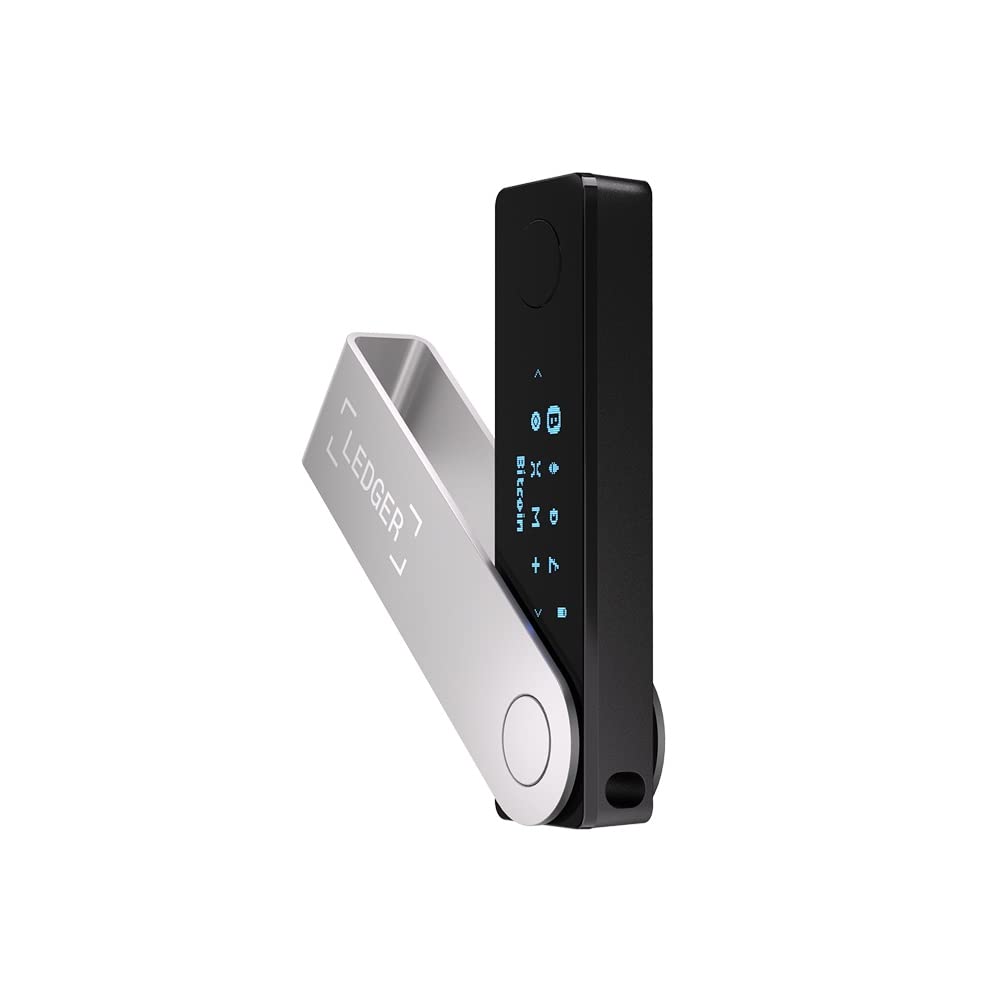
Ledger Nano X
Premium hardware wallet with Bluetooth connectivity and support for 5000+ cryptocurrencies.
Price
$1492 year warranty
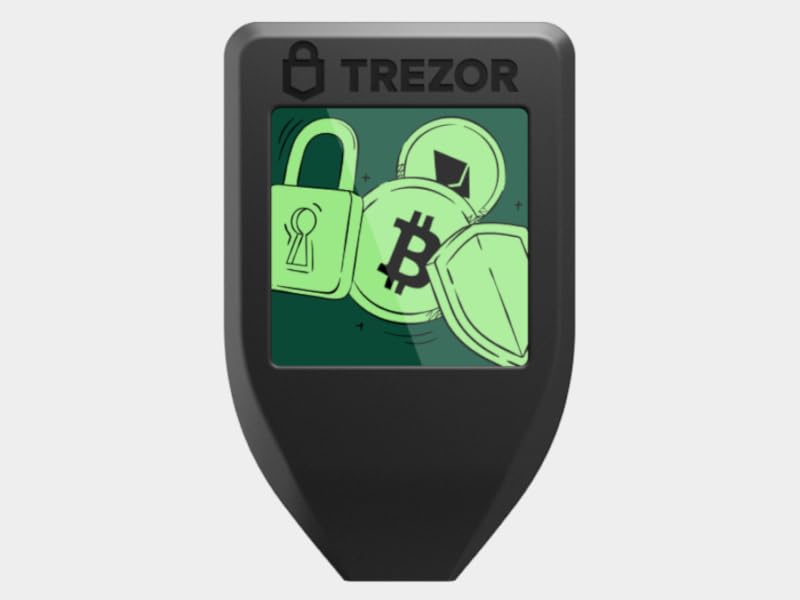
Trezor Model T
Premium open-source hardware wallet with touchscreen and Shamir backup support.
Price
$2192 year warranty
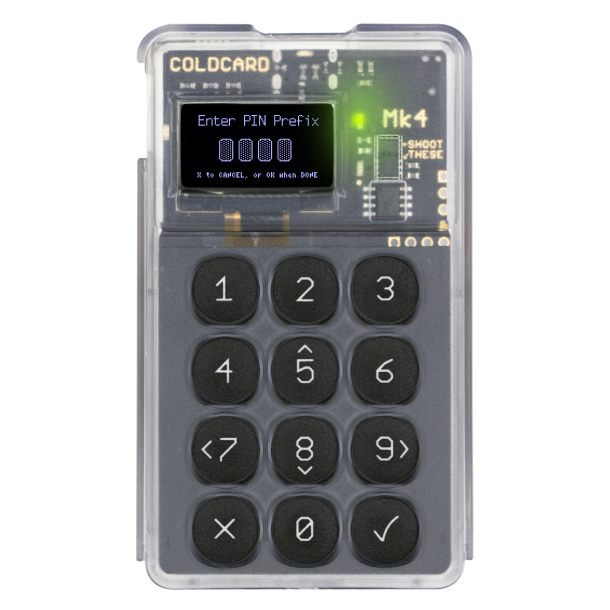
Coldcard Mk4
Bitcoin-only hardware wallet with dual secure elements and advanced air-gapped features.
Price
$1481 year warranty
Simple Inheritance Approaches
For most people, a simple approach using secure seed phrase storage combined with clear instructions is sufficient. Here's how to implement it:
The Seed Phrase + Instructions Method
- Secure your seed phrase
Write your 24-word seed phrase on acid-free paper and store it in a fireproof safe or safety deposit box.
- Create detailed instructions
Write a step-by-step guide explaining what Bitcoin is, where it's stored, and how to access it.
- Choose a trusted executor
Select someone technically capable and trustworthy to handle your crypto assets.
- Store instructions separately
Keep instructions and seed phrase in different secure locations.
- Tell family about the plan
Inform your executor and key family members about your Bitcoin holdings and plan.
Sample Instructions Document
Crypto Estate Instructions
- • I own Bitcoin stored in hardware wallets
- • Seed phrases are stored in [location]
- • Hardware wallets are located in [location]
- • Use [specific software/wallet] to recover funds
- • Contact [trusted advisor] for technical assistance
- • Expected value: [approximate amount]
Advanced: Multisig Inheritance Planning
Multisig wallets are ideal for inheritance planning because they allow you to distribute access keys while maintaining control during your lifetime.
2-of-3 Multisig Setup for Inheritance
How It Works
- ✓ You hold 2 keys (primary control)
- ✓ Trusted person (spouse/child/attorney) holds 1 key
- ✓ 2 signatures required to spend funds
- ✓ If you become incapacitated, they can access funds with your keys
- ✓ If you pass away, they can combine their key with one of yours
Implementation Options
| Method | Pros | Cons |
|---|---|---|
| Hardware Multisig | Maximum security, offline | Complex setup, expensive |
| Electrum Multisig | Free, flexible | Less user-friendly |
| Casa Multisig | Guided setup, recovery service | Subscription cost |
Learn more about multisig setup in our Multisig Basics Guide.
Estate Planning Documents for Bitcoin
Traditional estate planning documents need to be adapted for cryptocurrency. Here's what you need:
Will or Trust References
Include general references to digital assets in your will:
Digital Asset Instructions
Create a separate document with specific details:
- Location of hardware wallets and seed phrases
- Software needed to access funds
- Exchange accounts and passwords (if any)
- Contact information for technical advisors
- Expected value and distribution instructions
Power of Attorney for Crypto
Grant someone authority to manage your crypto if you become incapacitated. Specify they can only access funds for your care, not transfer to themselves.
Executor and Trustee Instructions
Your executor needs both technical knowledge and legal authority to handle your Bitcoin. Choose wisely and provide clear guidance.
Qualities of a Good Crypto Executor
- Technical competence: Understands basic cryptocurrency concepts
- Trustworthy: Someone who won't be tempted by large sums
- Available: Likely to outlive you and be accessible when needed
- Detail-oriented: Will follow instructions carefully
Step-by-Step Executor Guide
- Locate all crypto assets
Find hardware wallets, seed phrases, and any exchange accounts.
- Verify holdings
Use block explorers to confirm balances without moving funds.
- Set up recovery environment
Install necessary software on a secure, offline computer.
- Test recovery process
Practice with small amounts before transferring everything.
- Transfer to beneficiaries
Send funds according to your instructions.
- Document everything
Keep records for tax and legal purposes.
Common Mistakes to Avoid
❌ Storing Seed Phrases with Instructions
Never keep your seed phrase and recovery instructions in the same location. If discovered together, anyone could access your Bitcoin.
❌ Not Telling Family About Bitcoin
Your heirs won't know to look for crypto assets. Have open conversations about your holdings and estate plan.
❌ Choosing Technically Incompetent Executors
Your executor needs to understand cryptocurrency basics. Don't assume they can figure it out under stress.
❌ Including Detailed Crypto Info in Wills
Wills are public documents. Keep crypto details private in separate instructions to avoid attracting attention.
❌ Not Considering Tax Implications
Bitcoin transfers to heirs can trigger capital gains taxes. Consult a tax professional for your situation.
Frequently Asked Questions
What happens to my Bitcoin when I die?
Without proper planning, your Bitcoin could be lost forever. Bitcoin is not automatically included in traditional estate planning, and heirs may not know it exists or how to access it.
Can I put Bitcoin in my will?
You can reference Bitcoin in your will, but wills are public documents. It's better to use a separate crypto-specific estate plan that keeps your holdings private while providing clear instructions.
How do I ensure my family can access my Bitcoin?
Store your seed phrases securely with clear instructions, use multisig wallets, or create a crypto estate plan. Never store seed phrases digitally or share them with anyone while you're alive.
What if my heirs don't know about my Bitcoin?
This is the biggest risk. Include Bitcoin in your estate planning discussions with family, or leave clear instructions with your executor. Consider a "crypto letter" separate from your will.
Is multisig good for inheritance planning?
Yes, multisig is excellent for inheritance. A 2-of-3 setup allows you to hold 2 keys while distributing 1 to a trusted person. If something happens to you, they can combine their key with one of yours.
Checklist Drop
Get the Crypto Estate Planning Checklist
Download our free checklist covering all essential steps for Bitcoin inheritance planning.
We respect your privacy. Unsubscribe at any time.
Related Guides
Ultimate Bitcoin Safety Guide 2025
Complete guide to securing your Bitcoin with hardware wallets and best practices.
Multisig Basics
Learn how multi-signature wallets work and when to use them.
Air-Gapped Signing & PSBT Basics
Master offline transaction signing for maximum Bitcoin security.
Seed Phrase Backup Guide
Learn secure methods to backup your Bitcoin seed phrase.
Secure Your Bitcoin Legacy Today
Don't let your Bitcoin be lost forever. Create a comprehensive inheritance plan and ensure your wealth is protected for future generations.